 Kolodvorska cesta 2, 1410 Zagorje ob Savi, Slovenija
  info@pravicni-prehod-zasavja.si
16. February, 2026
Industrial and Energy Transition of Zasavje: A Systemic Shift Towards a Low-Carbon, Resilient and Competitive Region


Zasavje is undergoing a transformation from a traditional coal-based and energy-intensive region into a competitive, high-technology and low-carbon region, in line with the objectives of the European Green Deal and climate neutrality ambitions. These structural changes are being implemented within the framework of the Just Transition Mechanism, which provides targeted support to regions facing the most significant social, economic and developmental challenges due to the transition towards a climate-neutral economy. In the energy and industrial sectors – two strategically and technologically closely interconnected fields – the transformation focuses on the gradual decarbonisation of industrial processes, optimisation of energy use, increasing the share of renewable energy sources, and the deployment of advanced energy technologies and innovative systemic solutions. These measures strengthen industrial competitiveness and resilience, stimulate the development of new business models and lower-carbon products, and contribute to greater regional energy self-sufficiency and long-term resilience.
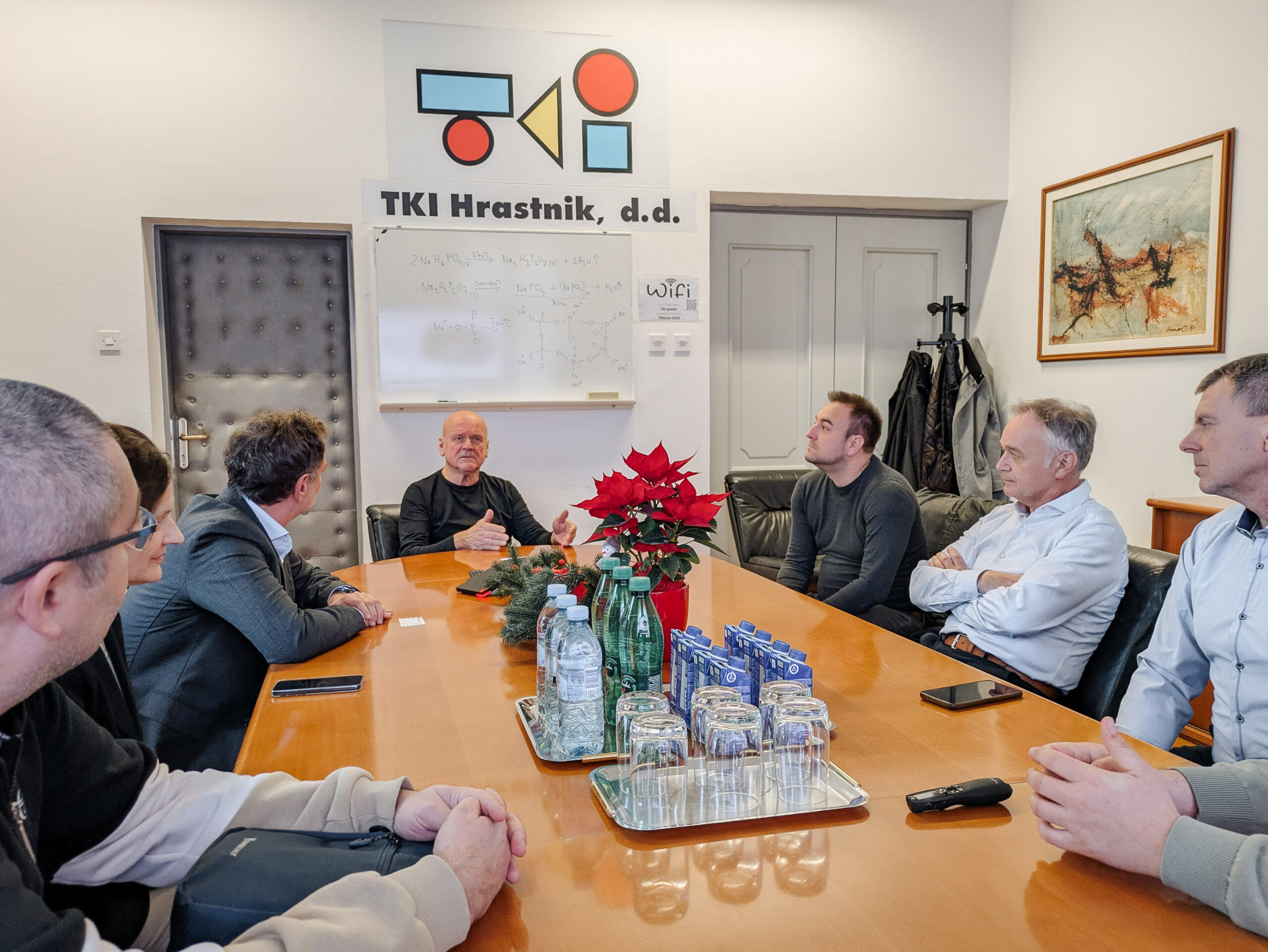
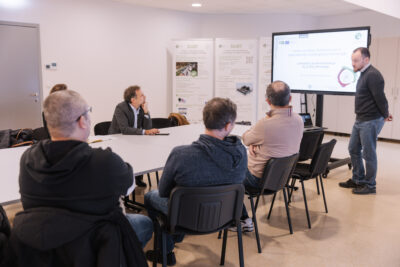
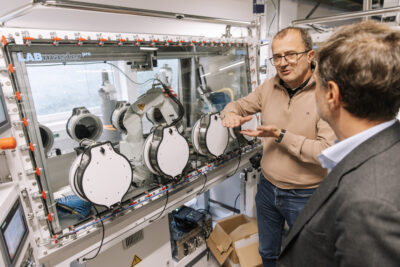
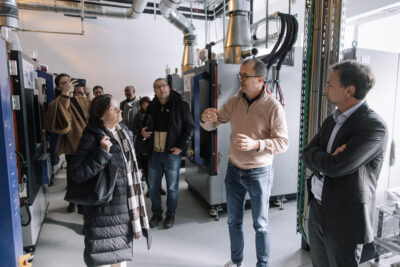
In December 2025, the Government of the Republic of Slovenia visited Zasavje. During the visit, State Secretary at the Ministry of the Environment, Climate and Energy, Uroš Vajgl, toured TKI Hrastnik, the energy site of Termoelektrarna Trbovlje (TET) managed by HSE eDT – Energetska družba Trbovlje, and the DUBT Centre – the first public research institution in Zasavje, established with Just Transition Fund support.
These locations host key interventions supporting industrial decarbonisation, process optimisation, energy efficiency, large-scale energy storage integration, increased renewable electricity production and hydrogen technology deployment.
“Three visits and three very positive stories about how the green transition can create new opportunities for the future – for the development of new economic activities and new jobs. In Zasavje, environmental responsibility goes hand in hand with development.” Uroš Vajgl, State Secretary, Ministry of the Environment, Climate and Energy
Advanced Projects in the Industrial Sector
Concrete decarbonisation and energy efficiency projects are underway in Zasavje’s industrial sector. Steklarna Hrastnik is introducing green hydrogen technologies and integrating hydrogen into production processes, significantly reducing its carbon footprint while strengthening its position in high-value glass production. TKI Hrastnik has integrated new compressor equipment, enabling the capture of technological steam and the establishment of a steam heat reuse system, reducing natural gas consumption by approximately 30%. InterCAL Zagorje and Industrija apna Kresnice are assessing technological solutions for hydrogen use in lime production processes, potentially enabling substantial decarbonisation of this energy-intensive sector. Transport remains a significant contributor to the carbon footprint of these industries. Therefore, comprehensive decarbonisation requires coordinated measures in logistics and mobility systems.
Development Potential of the TET Energy Location
For the development of low-carbon transport in Zasavje, the Termoplant Trbovlje (TET) site represents a suitable starting point, as it offers adequate spatial, infrastructural and technical conditions for establishing green hydrogen production capacities and the deployment of supporting refuelling infrastructure for hydrogen-powered vehicles. Such infrastructure is particularly justified in transport segments where hydrogen demonstrates the highest techno-economic viability, notably in bus transport and potentially also in heavy-duty freight transport and municipal service vehicles. The introduction of hydrogen buses (TAM Europe plans to manufacture up to 100 hydrogen buses annually, while Ljubljana Passenger Transport (LPP) is introducing eight hydrogen-powered city buses) would enable the gradual decarbonisation of intercity passenger transport in Zasavje. At the same time, the establishment of refuelling infrastructure would create the conditions for the broader deployment of hydrogen-powered trucks and heavy municipal vehicles. This would enable zero-emission road transport of goods and energy carriers, contributing to the reduction of greenhouse gas emissions, environmental pressures and dependence on fossil fuels within the regional transport and industrial sectors, as well as in public utility services.
The TET location represents one of the key strategic development areas for the future evolution of Zasavje’s energy sector. It is an area with existing, well-developed and robust energy infrastructure, including a 110 kV substation, proximity to the gas transmission network, appropriate spatial positioning, and strong road and rail connectivity. These factors position the site among the most suitable areas for the development of new low-carbon energy solutions and supporting systems.
In the wider area, HSE is already implementing photovoltaic generation units under the Prapretno 2 and 3 projects, which, with a total installed capacity of 10 MW (Prapretno 1, 2 and 3), will form the largest photovoltaic system in Slovenia. In parallel, large-scale battery energy storage systems with installed capacities of up to 200 MW are being developed directly at the TET site. These storage facilities will significantly enhance the flexibility of the electricity system, enable efficient balancing of production and consumption, and provide critical support for further integration of new renewable energy generation units. Additionally, the southern slopes surrounding the site offer further opportunities for the installation of new photovoltaic systems, increasing the renewable energy production potential.
The integration of hydrogen production technologies at the thermal power plant site is also strategically relevant in terms of reducing dependence on imported energy sources within the framework of the national strategic energy reserve system operating at the site. As part of the continued development of the TET area, two new gas-fired power units are planned to replace the existing gas turbines, designed as H₂-ready facilities. Their construction is planned by 2030, and like the existing turbines, they will be integrated into the national strategic energy reserve system.
Such gas turbines allow for the gradual substitution of natural gas with hydrogen, potentially up to approximately 75% of the fuel mix. Establishing local green hydrogen production to supply this energy infrastructure would not only significantly reduce greenhouse gas emissions but also substantially strengthen energy independence from imported fossil fuels, particularly natural gas. This approach would represent an important demonstration case of a comprehensive transition towards low-carbon energy and would significantly contribute to enhancing the resilience of Zasavje and Slovenia in terms of long-term energy security and supply stability. A comparable example can be found in Austria, where OMV is constructing one of Europe’s largest electrolysis plants with a capacity of 140 MW and annual production of 23,000 tonnes of green hydrogen.
Rail Transport in Support of Zasavje’s Energy and Industrial Transition
An important advantage of the area and the wider Zasavje region is the strong rail connectivity between key industrial sites and the central energy location at Termoelektrarna Trbovlje (TET). Rail transport represents one of the low-carbon modes of transport and, with further technological development, can play a significant role in decarbonising logistics and industrial flows. Following the examples of Spain (FCH2Rail) and Germany (Alstom Coradia iLint), hydrogen-powered trains could also be introduced on Slovenian railways, gradually replacing diesel locomotives.
The existing railway infrastructure in Zasavje was historically carefully planned according to the logistical needs of industry and the energy sector. This is reflected in the strong accessibility of industrial zones, energy facilities, and their connections to the national transport network. This historically shaped, yet still functionally high-quality transport infrastructure represents a significant development advantage for the region.
The connection of the railway network to the central energy location at TET and to energy-intensive industrial plants opens opportunities for organised low-carbon transport of energy carriers, including green hydrogen, as well as other strategic goods. At the same time, it provides an important foundation for the further development of sustainable logistics, support for industrial restructuring, and more efficient utilisation of existing transport infrastructure as one of Zasavje’s key development assets.
Based on the spatial, infrastructural and technological advantages described above, the Termoelektrarna Trbovlje site has strong potential to develop into a regional or even national hub for advanced solutions in the fields of energy, industry and sustainable mobility.
A key priority for the continued development of Zasavje is the preservation and upgrading of both the energy and industrial sectors, as well as their coordinated planning. Energy and industry are directly interconnected in the region: industry is a major energy consumer, while the local environment possesses the knowledge, infrastructure and spatial capacity to meet part of these needs locally. This strengthens the region’s energy self-sufficiency and resilience.
Energy Communities (REC – Renewable Energy Communities)
An important element of the region’s energy transition is the integration of energy production, consumption and storage within energy communities, where energy and renewable energy surpluses are exchanged among members. It is important to emphasise that solar energy cannot be understood merely as the installation of photovoltaic systems. The key lies in ensuring that solar electricity generation units are properly integrated into local and regional energy processes and that production, storage and consumption are optimised.
For such integrated energy systems to function effectively, the establishment of a local or regional energy market – organised through energy communities – is essential. This may take the form of balanced sub-balancing groups composed of energy producers, consumers, or a combination of both, i.e. so-called prosumers (simultaneous producers and consumers). Such a market framework ensures the economic viability of renewable electricity generation and enables more efficient management of local energy flows.
Zasavje hosts energy-intensive industrial users capable of consuming locally produced electricity surpluses or purchasing them directly from local producers, instead of exporting excess electricity to the grid at zero or even negative prices. This improves the economic performance of all stakeholders involved, reduces pressure on the distribution grid, and enhances the stability and resilience of the energy system.
Hydrogen technologies are a logical extension of such integrated, locally organised energy (sub)systems. They enable the conversion of excess electricity into hydrogen, which can be used in various applications – as an energy carrier, in sustainable mobility, as a feedstock in industrial processes, or as a form of energy storage. When needed and under appropriate conditions, hydrogen can be reconverted into electricity using fuel cells. Hydrogen technologies are particularly valuable during periods of high solar electricity production. Compared to battery systems, hydrogen enables long-term and seasonal energy storage.
The Role of the Centre for Carbon-Free Technologies – DUBT Centre
An important role in the development of low-carbon technologies in Zasavje is played by the Centre for Carbon-Free Technologies – DUBT Centre, which is being established in the region by the National Institute of Chemistry with support from the Just Transition Fund. The Centre represents the first public research and engineering infrastructure in the Zasavje region, dedicated to implementing research, development and engineering programmes in the fields of hydrogen technologies, battery systems, and CO₂ capture and utilisation.
The DUBT Centre is designed as a key research and engineering infrastructure that directly contributes to industrial decarbonisation and to strengthening the competitiveness of both the Zasavje region and the Slovenian economy. It is one of the few comparable research laboratories in Europe operating as a development and support platform for the advancement, testing and validation of technologies at mid-level Technology Readiness Levels (TRL). Its activities are focused on transferring research results, technological solutions and process knowledge into industrial practice.
The establishment of the DUBT Centre has strategic importance for regional restructuring and national significance in terms of strengthening research and innovation capacities in the field of carbon-free technologies. The Centre’s research and development programmes are already contributing significantly to shaping the region’s specialisation in carbon-free technologies, advanced materials and highly specialised technical expertise.
The Centre will contribute to strengthening human capital capacities and will operate as a supporting development infrastructure for the energy sector, industry, and small and medium-sized enterprises. Through cooperation with the DUBT Centre, regional stakeholders will gain facilitated access to development projects, pilot applications and value chains in the fields of battery technologies, hydrogen solutions and other critical technologies.
Zasavje has the appropriate industrial, energy, research and spatial profile to successfully implement an energy and industrial transition through the coordinated integration of solutions in energy production, consumption and storage. The available energy infrastructure, the presence of energy-intensive industry, the development of research and engineering capacities, and the opportunities for further deployment of renewable energy sources create the conditions for a comprehensive transformation of the regional energy system.
In line with the presented strategic orientations, activities are underway in Zasavje to establish the so-called Small Hydrogen Valley Zasavje (H2SAVA), which aims to connect processes across different sectors and ensure energy optimisation and greater self-sufficiency through the integration and application of hydrogen technologies, ultimately evolving into a regional hydrogen ecosystem and the development of a regional hydrogen economy.
Comparable practices can be found in neighbouring Austria, where three hydrogen valleys are being coordinated into a unified hydrogen ecosystem (H2 Industry Valley – WIVA P&G; Vienna – Wiener Wasserstoff GmbH, Wien Energie, Wiener Stadtwerke, FEST; H2 Valley Alps).
The transition will be based on reducing the carbon intensity of production and energy processes, increasing local supply autonomy, and reducing the region’s exposure to external energy and market risks. At the same time, it will enable the development of new business and energy models, including energy communities, local energy markets, integration of energy storage, and the use of multiple energy vectors such as electricity, hydrogen and heat.
This creates the conditions in Zasavje for the development of a comprehensive regional energy ecosystem that integrates energy production, storage and consumption while supporting the effective involvement of industry, local communities and the public sector. In the long term, such a system can strengthen industrial competitiveness, stimulate innovation and the development of new economic activities, and contribute to the sustainable development of the region in line with the objectives of the Just Transition Plan (ONPP) and Slovenia’s National Energy and Climate Plan (NEPN).


